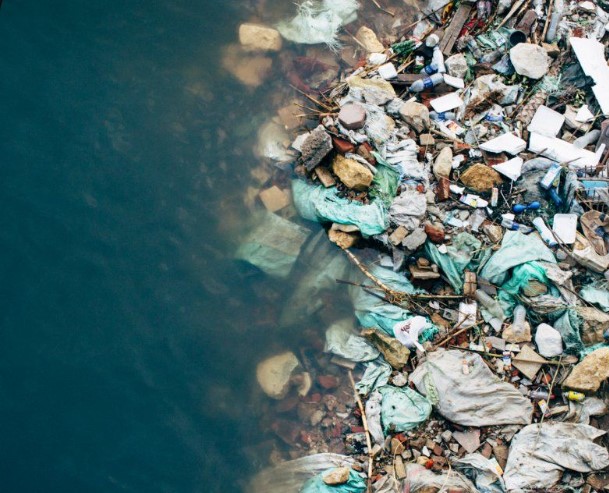
Water depletion Water Pollution
Gurugram is experiencing a severe groundwater crisis, extracting roughly 195% more water from its aquifers than it naturally replenishes. Long declared a “dark zone” by the Central Ground Water Board (CGWB), the city draws approximately 403 billion litres of groundwater annually, causing water tables in urban-industrial clusters to plummet by up to 1 to 3 metres per year. https://www.researchgate.net/publication/263041095_IMPACT_OF_URBANIZATION_ON_GROUNDWATER_OF_GURGAON_DISTRICT_HARYANA_INDIA
Key Causes of Depletion
- The Demand-Supply Gap: Gurugram’s fresh canal water supply provides about 570 million litres per day (MLD), falling significantly short of peak summer demands exceeding 675 MLD. High-rises, commercial hubs, and industrial estates bridge this gap using borewells https://www.abcbuildcon.in/insights/gurugram-groundwater-extraction-exceeds-recharge-195-percent
Rapid Urbanisation: Concrete infrastructure blocks natural rainwater percolation. Rainwater flows out as urban runoff, creating a bizarre paradox where the city suffers from acute water scarcity but simultaneously experiences severe monsoon waterlogging. https://www.researchgate.net/publication/263041095_IMPACT_OF_URBANIZATION_ON_GROUNDWATER_OF_GURGAON_DISTRICT_HARYANA_INDIA
Water pollution
Industrial and Chemical Runoff: Areas surrounding manufacturing blocks experience heavy chemical discharge. Sub-surface water testing has revealed highly elevated levels of salts, nitrates, iron, chloride, and localized heavy metals like nickel, arsenic, and uranium. https://www.researchgate.net/publication/303331515_Water_Quality_of_Gurgaon_Canal_in_Haryana_Meena_Bhandari_Promila_Ahlawat_and_SKGarg_IndJ_EnvironProt_2010_3010814-817
Toxic tide: How Gurugram’s waste is killing the Yamuna before it reaches Delhi – https://www.tribuneindia.com/news/haryana/toxic-tide-how-gurugrams-waste-is-killing-the-yamuna-before-it-reaches-delhi/
Poor Water Quality
Groundwater in many areas of Gurgaon comprises harmful contaminants, including high TDS levels like excess amounts of salts, nitrates, iron, and chloride, which generally indicate increased salinity. Also, in some areas, traces of arsenic and uranium have been found. Such pollutants make the water feel unsafe for consumption without any purification system or proper treatment, and long-term consumption can lead to serious health risks.
Excellent report well researched and designed .
